
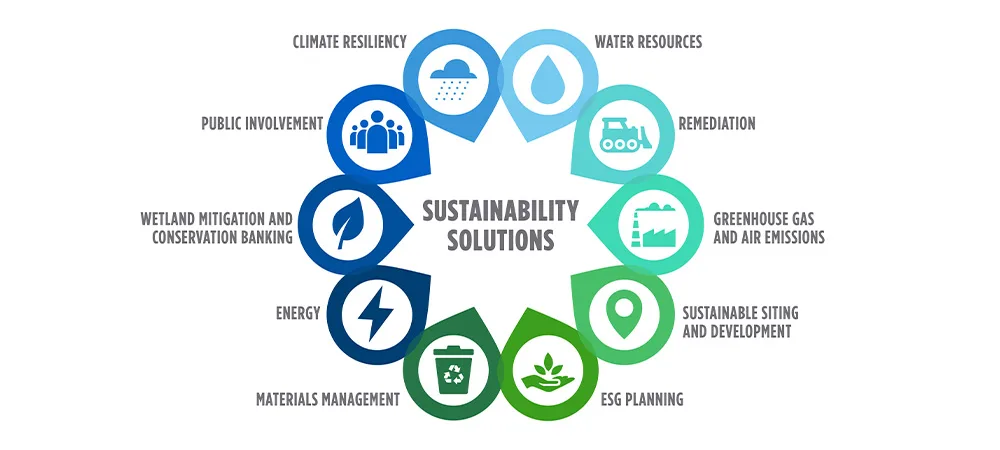
Public policy plays an important role in protecting environmental sustainability and managing natural resources responsibly. Governments develop environmental policies that regulate pollution, protect ecosystems, and encourage sustainable economic development. Effective environmental policies balance economic growth with environmental preservation.
Climate change policies have become a priority for many governments. International agreements encourage countries to reduce greenhouse gas emissions and invest in renewable energy technologies. These policies aim to slow global warming and reduce environmental risks.
Environmental regulations often focus on industries that produce significant emissions. Governments implement standards for energy efficiency, waste management, and industrial pollution control. Businesses must comply with these regulations to operate responsibly.
Public investment in renewable energy is another important strategy. Solar, wind, and hydroelectric power systems help reduce reliance on fossil fuels and support cleaner energy production.
Community participation also contributes to environmental protection. Public awareness campaigns encourage individuals to adopt sustainable habits such as recycling, energy conservation, and responsible consumption.
International cooperation remains essential for addressing environmental challenges. Climate change and environmental degradation affect multiple regions simultaneously, requiring collaborative global solutions.
Strong environmental policies support healthier ecosystems while ensuring that economic development remains sustainable for future generations.
